
تفکر رویهای در Blender : گامهای کوچک تا ایدههای بزرگ
Gumroad - Procedural Thinking / Blender 3D - Small Steps to Big Ideas


تفکر رویهای در Blender : گامهای کوچک تا ایدههای بزرگ
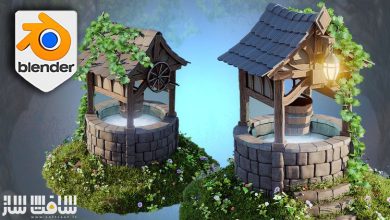
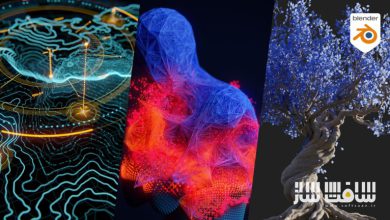
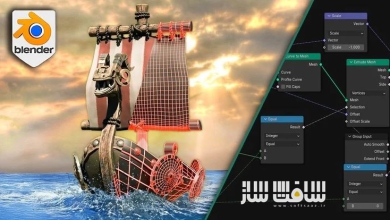
تفکر رویهای در Blender : گامهای کوچک تا ایدههای بزرگ : در این دوره آموزشی از Crossmind Studio، یاد میگیرید چگونه با استفاده از Geometry Nodes در نرمافزار Blender، سیستمهایی بسازید که بهصورت رویهای (Procedural) اشیای متنوع و پیچیدهای را تولید کنند.
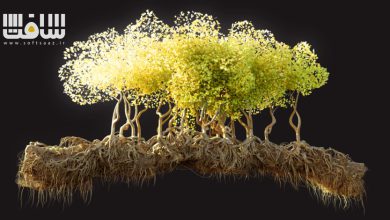
تصور کنید در حال ساخت یک بازی یا انیمیشن هستید و نیاز به نسخههای مختلفی از درختها، میوهها، مبلمان، سنگها یا ساختمانها دارید؛ ساخت دستی هر نسخه کاری خستهکننده و وقتگیر خواهد بود. اما با ورکفلوی رویهای، میتوانید یک بار سیستم هوشمند بسازید و بهآسانی صدها نسخه متنوع ایجاد کنید.
بسیاری از هنرمندان از نودگرافها و مدلسازی رویهای میترسند، اما این دوره با استفاده از مثالهای ساده و روزمره، روش فکر کردن رویهای را بهصورت عملی و ملموس آموزش میدهد. هدف این نیست که فقط یک شی خاص را بسازید، بلکه یاد بگیرید چگونه ساختارها و داراییهای اختصاصی خودتان را طراحی کنید. این دوره آموزشی توسط تیم ســافــت ســاز برای شما عزیزان تهیه شده است.
عناوین تفکر رویهای در Blender : گامهای کوچک تا ایدههای بزرگ :
- بیش از ۸ ساعت آموزش فشرده در قالب ۱۴ فصل
- ساخت اشیای ساده و ارگانیک با استفاده از Geometry Nodes
- تغییر فرم اشیا با استفاده از Attributeها، تکسچرها و انتخابهای رویهای
- ساخت اپل رویهای با جزئیات مختلف (تازه، پلاسیده، برشخورده و …)
- ساخت سیستمهایی با کنترلهای پویا در Viewport با Gizmo
- بهینهسازی برای خروجی نهایی و ایجاد نسخههای کمکیفیت برای Baking
- استفاده از ساختار ماژولار برای ساخت ساختمان و سازههای پیچیده
- شامل فایل پروژه در تمام سطوح و فایلهای جانبی برای تمرین و توسعه بیشتر
- مناسب برای هنرمندان آشنا با Blender که به دنبال ارتقاء مهارت خود در مدلسازی رویهای هستند
عنوان دوره : Gumroad – Procedural Thinking / Blender 3D – Small Steps to Big Ideas
سطح : متوسط
زمان کل دوره : +8 ساعت
تعداد فايل ها : 14 فصل
سال آموزش : 2025
فایل تمرینی : ندارد
مربی دوره : Ram Crossmind
نرم افزار : Blender
زیرنویس انگلیسی : ندارد
فشردگی اختصاصی سافت ساز : ندارد
Gumroad – Procedural Thinking / Blender 3D – Small Steps to Big Ideas
Imagine creating a game or animation where you need multiple variations of everyday assets—trees, furniture, buildings, fruits, or rocks. Manually modeling each version might be simple at first, but frequent design changes or creative feedback could quickly turn into repetitive work. Not practical, right?
Procedural modeling solves this by helping you build adaptable, reusable setups using node-based workflows. Instead of tweaking each asset repeatedly, you create smart, dynamic systems capable of generating numerous variations instantly. For instance, one node setup for an apple can shift effortlessly from fresh to rotten, whole to sliced, or red to green—just by adjusting a few parameters.
Once you start noticing procedural techniques, you’ll recognize them everywhere: dense forests in games, expansive cityscapes in movies, or detailed animations filled with scattered objects. Proceduralism transforms complexity into manageable creativity, allowing you to focus more on art, storytelling, and bigger ideas.
By embracing procedural workflows, you’ll work faster, iterate freely, and explore creative directions without getting bogged down by repetitive tasks.
Course Structure
This course is divided into three structured sections, each designed to progressively build your understanding of procedural workflows.
1. Fundamentals & Context – Before diving into projects, we’ll discuss some quick fundamentals to set the context. We’ll explore why proceduralism is beneficial for asset creation and how it enhances the workflow.
2. Practicing an Effective Starting Point- This is where we begin creating simple procedural setups and practice identifying good starting points. We’ll focus purely on form-building and effectively layering our setups at this stage—leaving elements like group inputs, gizmos, randomizers, and fine controls for later in the course.
3. Creating a Versatile Procedural Apple- In the final section, we apply everything to a fully procedural Apple asset, complete with variations, materials, and advanced controls, group inputs, randomizers, and viewport gizmos. We also explore optimization techniques, making assets ready for baking and external use.
List of Chapters
1. Fundamentals & Context
1.1 Why Create Objects Procedurally
1.2 Bringing Material Diversity Using Geometry Nodes Attributes
2. Practicing an Effective Starting Point
2.1 Simple Objects – A Book
2.2 Scattering-Based Objects
2.3 Lathe-Based Objects
2.4 Modular Structures & Buildings
3. Creating a Versatile Procedural Apple
3.1 Creating Outer Form
3.2 Adding Inner Details & Multi-State Variations
3.3 Procedural Shading for Variant Conditions
3.4 Organizing Node Setup with Group Inputs
3.5 Additional Group Nodes for Dynamic Variants
3.6 Interactive Viewport Controls with Gizmos
3.7 Optimizing for Baking & Low-Res Variants
4. Conclusion & Next Steps
4.1 Theoretical Discussion & Next Steps
4.2 Final Files and Bonus Objects Setup Run-through.
Closing Thoughts
Gone are the days when we were limited by traditional modifiers. Blender’s Geometry Nodes have rapidly evolved into one of its most versatile tools, transforming workflows and opening new creative possibilities. While relatively new, it’s already powerful enough to significantly enhance the way you approach 3D projects. Whether you’re crafting detailed procedural assets, exploring dynamic motion graphics, designing expansive environments, or creating interactive creative tools, Geometry Nodes is versatile enough to handle it all
On our YouTube channel, we’ve already published an introductory series designed to simplify Geometry Nodes for beginners, making its fundamentals easy to grasp. But the tool has grown significantly since then, becoming even more robust and feature-rich, allowing you to push the boundaries of what’s creatively possible.
In this course, we’ll build upon that foundational knowledge, guiding you toward applying Geometry Nodes practically creating versatile everyday objects that demonstrate its powerful capabilities.
What Makes This Course Helpful for Learning Proceduralism?
As versatile as Geometry Nodes can be, many artists hesitate because procedural workflows and node graphs often seem daunting at first glance. This course aims to ease you gently into procedural modeling by translating familiar modeling methods into simple, node-based systems. Think of proceduralism not as a completely new concept, but as a smart way to record and expand your existing ideas.
By focusing on everyday objects, we’ll naturally encounter a variety of modeling challenges, keeping the learning process relatable and approachable. As you become comfortable, you’ll quickly recognize how these same techniques can scale up, allowing you to create larger, more complex assets and even entire environments.
Rather than teaching you how to create just one specific object, this course focuses on helping you think procedurally—so you can confidently build your own assets and systems.
This course includes:
14 chapters, structured for clarity.
Over 8 hours of densely packed content.
Project files at every level to help you explore and experiment.
Bonus files of additional procedural objects to study and go beyond the course.
Miscellaneous 3D files used for creating trailers and presentation of this course.
حجم کل : 10 گیگابایت
برای نمایش این مطلب و دسترسی به هزاران مطلب آموزشی، نسبت به تهیهی اکانت ویژه از لینک زیر اقدام کنید.
وضعیت فعلی شما
- لینکهای دانلود این مطلب قفل است
- بقیهی مطالب ویژه هم بسته است
- بدون دسترسی به آموزش نصب
با اشتراک ویژه
- دسترسی به همهی مطالب سافتساز
- آپدیت روزانه مطالب سایت از بهترین سایتهای سیجی
- ورود نامحدود کاربران از هر دیوایسی
- دسترسی به آموزش نصب کامل پلاگینها و نرمافزارها
For international users: online support — email info@softsaz.ir or Telegram @SoftSaaz.


برای یادگیری geometry nodes و اصول کار این محیط خیلی دوره خوبیه فقط مدرس یه کم لهجه داره که بعضی جا ها نمیشه درست متوجه مطالب شد