شبیهسازی پدیدههای علمی در نرمافزار هودینی
Houdini School – HS-112: Scientific Phenomena in Houdini

شبیهسازی پدیدههای علمی در نرمافزار هودینی
شبیهسازی پدیدههای علمی در نرمافزار هودینی : این دوره آموزشی تخصصی به شما میآموزد که چگونه با تلفیق اصول علمی و قوانین طبیعت، کیفیت پروژههای جلوههای ویژه بصری خود را به سطح بالاتری برسانید. با درک عمیق از نحوه تعامل پدیدهها در محیطهای طبیعی، قادر خواهید بود شبیهسازیهای واقعگرایانه و حرفهایتری در هودینی خلق کنید. این رویکرد علمی نه تنها به ساختار فنی پروژههای شما اعتبار میبخشد، بلکه باعث میشود دموریل شما در میان سایر رقبا در صنعت سینما و بازیسازی، متمایز و چشمگیرتر جلوه کند. این دوره آموزشی توسط تیم ســافــت ســاز برای شما عزیزان تهیه شده است.
عناوین شبیهسازی پدیدههای علمی در نرمافزار هودینی :
- بررسی و شبیهسازی سیستمهای پیچیده ابرهای طوفانی
- طراحی و پیادهسازی منظومه شمسی به روش رویهای
- تحلیل الگوهای رشد طبیعی و ساختارهای تکرارشونده در طبیعت
- مدلسازی اکوسیستمهای دریایی و ساختارهای مرجانی
- شبیهسازی موجودات اعماق دریا و رفتارهای زیستی آنها
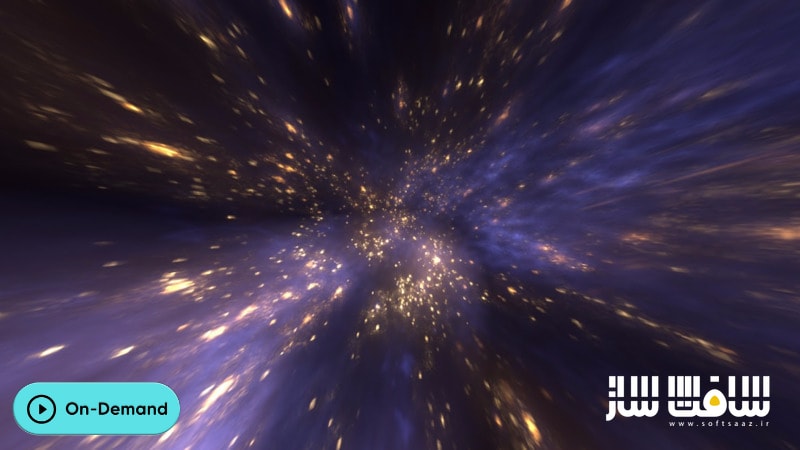
- بررسی ساختار کهکشانها و سحابیها در فضای بیکران
- تحلیل علمی آیرودینامیک و شبیهسازیهای آیروستاتیک
- کاربرد فیزیک در شبیهسازی ذرات و متریالهای غیرقابل رویت
- بهینهسازی پروژهها با استفاده از منطقهای علمی
- ساخت ابزارهای سفارشی برای پروژههای جلوههای ویژه
عنوان دوره : Houdini School – HS-112: Scientific Phenomena in Houdini
سطح : مبتدی
زمان کل دوره : 5.37 ساعت
تعداد فايل ها : 1080p:105
سال آموزش : 2026
فایل تمرینی : دارد HIPNC:6, PDF:3, HIPLC:1
مربی دوره : Kate Xagoraris
نرم افزار : Houdini
زیرنویس انگلیسی : ندارد
Houdini School – HS-112: Scientific Phenomena in Houdini
Class Description:
This recorded course introduces students to incorporate scientific ideas into their visual effects. By incorporating science into your visual effects you can create a better understanding on how effects should be built as well as how they should interact with their native environment.
Learning Outcomes:
Students will leave this class with a fundamental understanding of how you can improve your VFX builds through an understanding of scientific application. The more realistic your visual effects are, the more of a chance you will have at having an impressive demo reel.
Session 1
Storm Clouds – Discovering and Simulating the Systems of Storms
In this lesson, we will learn how to build storm clouds and explore volumetrics. We will also cover the science behind storm systems, and base our simulation around this science.
Session 2
Planetary Systems – Let’s Build a Solar System
In this lesson, we will build a functioning procedural planetary system. We will be discussing the science of why our Solar System formed the way it did, and how other exoplanetary systems operate. We will then integrate these ideas into our work, and end up with a customizable system you can use in your projects.
Session 3
Growth Systems and Natural Patterns
Everywhere in nature, there are repeating patterns and procedural shapes. In this lesson, we will discuss and create a few of them. As well as discuss how you can find larger copies of these patterns in larger bodies of the Universe. We will also talk about the science behind these shapes, and why they form the way they do.
Session 4
Marine Systems – Exploring Coral, and Other Marine Structures
When building a marine environment, it is important to understand the structures and different forms of life that could exist in your scenes. In this lesson, we will discuss the different levels of the ocean, and the various systems that exist in the ocean. Then based on the information we’ve discussed, we will model a section of the ocean in Houdini.
Session 5
Nebulae and Galaxies – Creating Space Structures Within Houdini
Simulating fish and other squishy creatures can be a bit of a challenge. In this lesson, we will discuss some of the science behind some of the creatures that live in the dark depths of the ocean. Then we will pick a deep-sea creature to model and simulate based on how it behaves in an ocean environment.
Session 6
Aerostatic and Aerodynamic Simulations
In this lesson, we will talk about Universal structures and the science behind them. There is much more going on behind nebula formations than just their basic visible forms. They are made up of both visible and non-visible matter. After learning about their internal structure, we will visualize a structure based on its scientific formations and surrounding details.
حجم کل : 2 گیگابایت
برای نمایش این مطلب و دسترسی به هزاران مطلب آموزشی، نسبت به تهیهی اکانت ویژه از لینک زیر اقدام کنید.
وضعیت فعلی شما
- لینکهای دانلود این مطلب قفل است
- بقیهی مطالب ویژه هم بسته است
- بدون دسترسی به آموزش نصب
با اشتراک ویژه
- دسترسی به همهی مطالب سافتساز
- آپدیت روزانه مطالب سایت از بهترین سایتهای سیجی
- ورود نامحدود کاربران از هر دیوایسی
- دسترسی به آموزش نصب کامل پلاگینها و نرمافزارها
For international users: online support — email info@softsaz.ir or Telegram @SoftSaaz.
امتیاز دهی به این مطلب :
لطفا به این مطلب امتیاز دهید